I remember the first time I tried to slip pumpkin into my usual cinnamon-roll routine and ended up with a gummy center that never set — lesson learned the hard way. These pumpkin cinnamon rolls fix that by keeping the dough enriched and slightly less wet than a straight pumpkin-bread batter while still getting the gentle pumpkin flavor and tender crumb I wanted.
Whether you want to bake them the same day or shape and chill them overnight, this method gives you soft, pull-apart rolls with a glossy cream-cheese drizzle. The pumpkin cinnamon rolls focus on a predictable dough tolerance and firm-enough filling so you get fluffy rolls, not a flat pumpkin pancake.
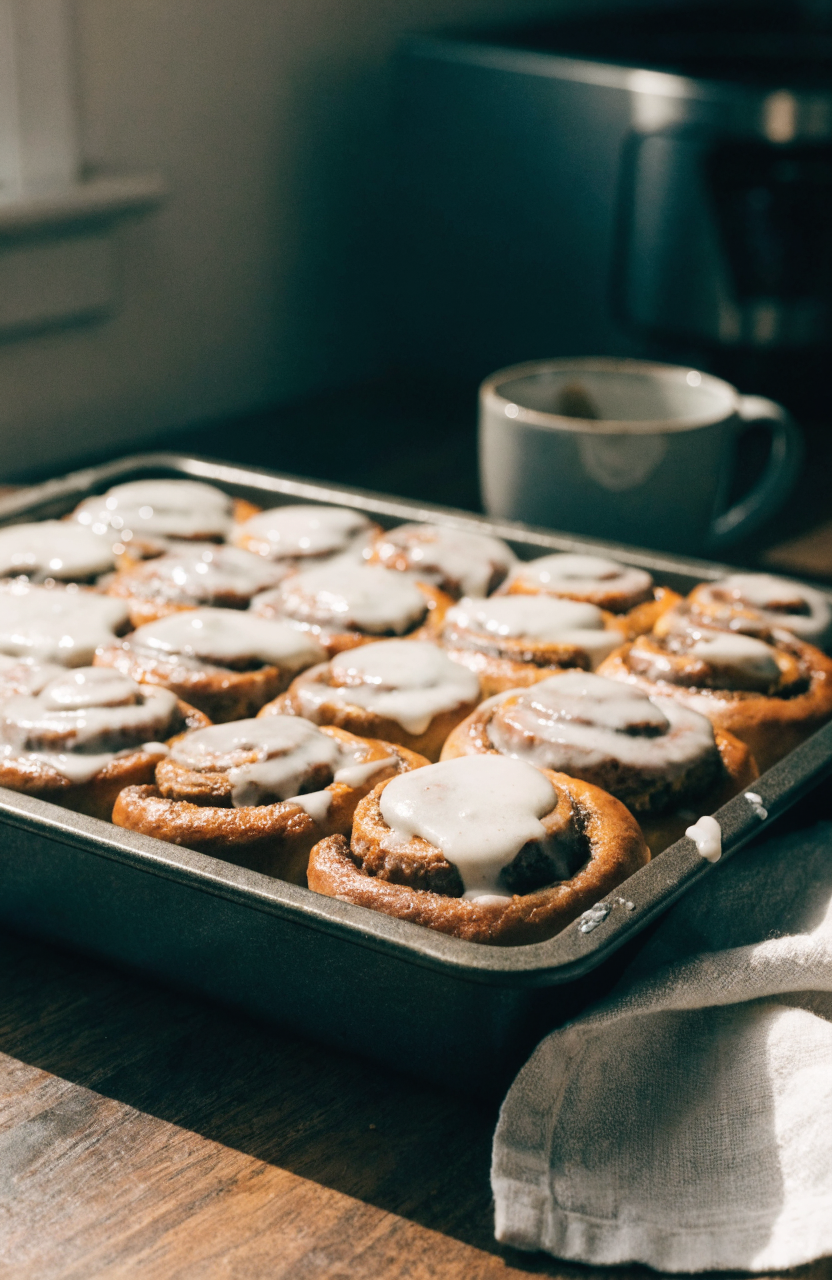
Why this pumpkin cinnamon rolls works
The trick with pumpkin cinnamon rolls is balancing moisture: pumpkin brings flavor and tenderness but also a lot of water. I changed the usual enriched-roll ratios by reducing some of the liquid (milk) and adding an extra beaten egg so the dough stays elastic and can trap air during the rises. That gave me a lighter interior without drying out the crumb.
During testing I discovered two big causes of failure: a) mixing pumpkin directly into a very wet dough that never cleans the bowl and b) overloading the filling with a syrupy pumpkin paste that made the bottom soggy. So I separated the roles: pumpkin goes into the dough for flavor and color, while the filling uses a lightly spiced butter-sugar layer with only a little of the pumpkin mixture to keep things tidy. I also use a clear two-rise schedule (first rise at room temperature, second rise after shaping), which I found to be the most reliable approach whether you’re baking immediately or chilling overnight.
Key takeaways
- Keep the dough slightly less wet than a typical brioche-style roll to avoid a gummy center.
- Use pumpkin in the dough and minimal pumpkin in the filling to preserve structure and flavor.
- Shape and chill for up to 24 hours or complete both rises and bake for same-day service.
Ingredients you’ll need and what to substitute
I like to use canned pumpkin puree for consistent moisture and flavor, not pumpkin pie filling (which has added spices and sugar). The dough relies on all-purpose flour; if you use bread flour expect a slightly chewier roll and possibly a small increase in water. I include two teaspoons of instant yeast for a reliable rise — if you only have active dry yeast, proof it in warm milk first and use one tablespoon instead.
Butter should be softened for the dough and filling; cold butter makes it hard to incorporate. For the cream-cheese drizzle, full-fat cream cheese gives the best texture, but you can use reduced-fat versions if you prefer — expect a slightly thinner glaze. Brown sugar in the filling gives deeper flavor; if you only have granulated sugar, add a teaspoon of molasses per cup to approximate that taste.
Equipment
Essential tools are a 9×13-inch baking dish (or two 9-inch rounds), a stand mixer with dough hook (or a sturdy bowl and a wooden spoon for hand-kneading), a kitchen scale or measuring cups, and an instant-read thermometer if you like checking dough temperature. A bench scraper is handy when shaping, and parchment paper makes cleanup easier.
How to make pumpkin cinnamon rolls
Make the dough
Warm 1/2 cup whole milk to about 100–110°F and pour into the bowl of a stand mixer. Sprinkle 2 teaspoons instant yeast over the milk and stir briefly. Add 3/4 cup canned pumpkin puree, 1/4 cup granulated sugar, 1/4 cup brown sugar (packed), 1 large egg plus 1 yolk, 4 tablespoons softened unsalted butter, and 1 teaspoon salt. Mix to combine.
With the mixer on low, add 3 to 3 1/4 cups all-purpose flour, one cup at a time. Stop adding flour when a soft, slightly tacky dough forms that clears the sides of the bowl but still sticks faintly to the bottom — roughly 3 to 3 1/4 cups depending on humidity. Knead with the dough hook for 6–8 minutes until the dough is smooth and springs back when poked. The dough temperature should be about 75–78°F; if it’s colder, give the dough extra time to knead or place it in a warm spot for rising.
First rise
Lightly oil a large bowl, transfer the dough, cover with plastic wrap or a damp towel, and let it rise for 45–60 minutes at room temperature until nearly doubled. I set mine on top of the oven while it’s cooling from previous use — a small, consistent warmth helps. If you want to make ahead, punch the dough down after 30–40 minutes and refrigerate for up to 24 hours; let it warm slightly on the counter before shaping.
Prepare the filling and assemble
While the dough rises, soften 6 tablespoons unsalted butter for the filling and stir in 1/2 cup packed brown sugar, 2 tablespoons cinnamon, 1/2 teaspoon nutmeg, and a pinch of salt until spreadable. Reserve 2 tablespoons of the butter mixture and stir in 1 tablespoon more pumpkin puree if you like a touch of pumpkin in the filling — keep it small or the rolls become soggy.
Turn the risen dough onto a lightly floured surface and roll into a roughly 16×12-inch rectangle about 1/4-inch thick. Spread the filling evenly, leaving a 1/2-inch border. Starting from the long edge, roll the dough tightly into a log, using a bench scraper to tighten the seam. Cut into twelve equal rolls with a serrated knife or floss and place them seam side down in a buttered 9×13-inch pan.
Second rise and bake
Cover the pan lightly with plastic wrap and let the rolls rise for 35–45 minutes until puffy and the tops are just about level with each other. If you prefer to bake later, tightly cover the pan and refrigerate for up to 24 hours — when ready, remove the pan and let the rolls come to room temperature for 30–45 minutes before baking.
Preheat the oven to 350°F. Bake the rolls for 18–22 minutes until the tops are golden and an instant-read thermometer inserted into the center of a roll reads about 190–195°F. Overbaking will dry them; underbaking risks a gummy center.
Finish with glaze
While the rolls cool for 10 minutes, whisk together 4 ounces softened cream cheese, 1 cup powdered sugar, 2–3 tablespoons milk, and 1/2 teaspoon vanilla until smooth. Spread or drizzle the glaze over the warm rolls so it melts into the swirls but still holds a ribbon on top.
Things I learned the hard way
- Using too much pumpkin in the filling makes the bottom soggy — keep the filling pumpkin-light and put most pumpkin in the dough.
- Gummy centers came from underbaked rolls or dough that was too wet; aim for a dough that clears the bowl and an internal bake temp of 190–195°F.
- If the dough rises fast and then collapses, your kitchen is too warm; slow the rise in the fridge or shorten proofing time.
- Shaping on a floured surface prevents sticking, but too much flour makes the roll tough — dust lightly and use a bench scraper to help lift the dough.
- My first attempt used all brown sugar in the filling and it caramelized and leaked; a mix of brown and granulated sugar keeps the texture controlled.
Variations to try
Maple Pumpkin: Replace the cream-cheese drizzle with a 1/3 cup pure maple syrup and 1 cup powdered sugar glaze; reduce milk slightly. Add chopped toasted pecans (1/2 cup) to the filling for crunch.
Spiced Orange: Add 1 teaspoon orange zest to the dough and 1/2 teaspoon ground cardamom to the filling. Increase cinnamon to 2 1/2 tablespoons for a warmer profile.
Vegan option: Use a plant-based butter and a flax egg (1 tablespoon ground flax + 3 tablespoons water) in place of the egg, and swap cream cheese for a vegan cream-cheese-style spread; expect slightly denser rolls and longer proofing time.
Storage, freezing, and reheating
Refrigerate leftover rolls in an airtight container for up to 4 days; the glaze will firm in the fridge — warm individual rolls in the microwave for 15–20 seconds to soften before serving. For longer storage, freeze baked rolls (cool completely) individually wrapped in plastic and placed in a freezer bag for up to 3 months. Thaw overnight in the refrigerator and reheat at 325°F for 10–12 minutes to refresh the texture, or microwave for 30–45 seconds.
What to serve with pumpkin cinnamon rolls
Try a simple coffee or a spiced latte for pairing, a fresh fruit salad to cut the richness, or scrambled eggs for a brunch plate that balances sweet and savory. For a fall spread, serve alongside baked apples or a light green salad with vinaigrette.
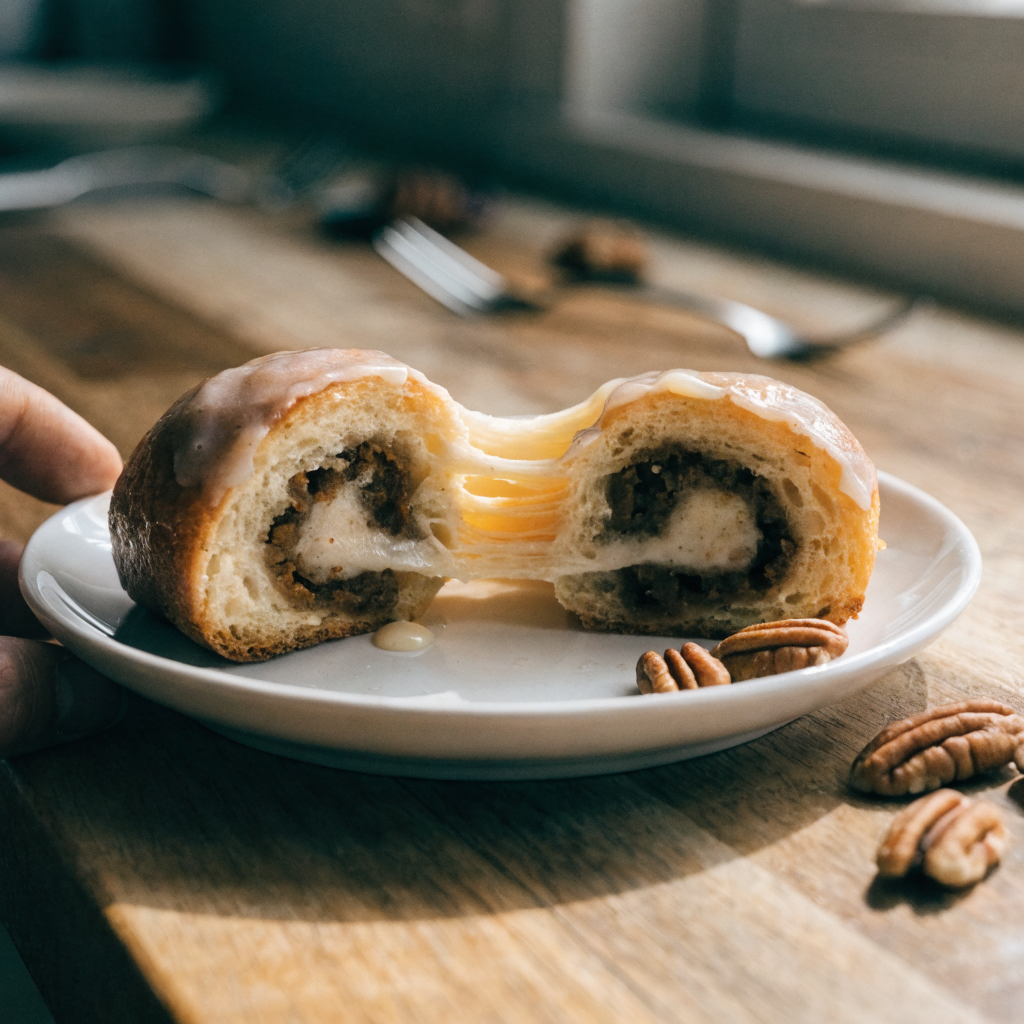
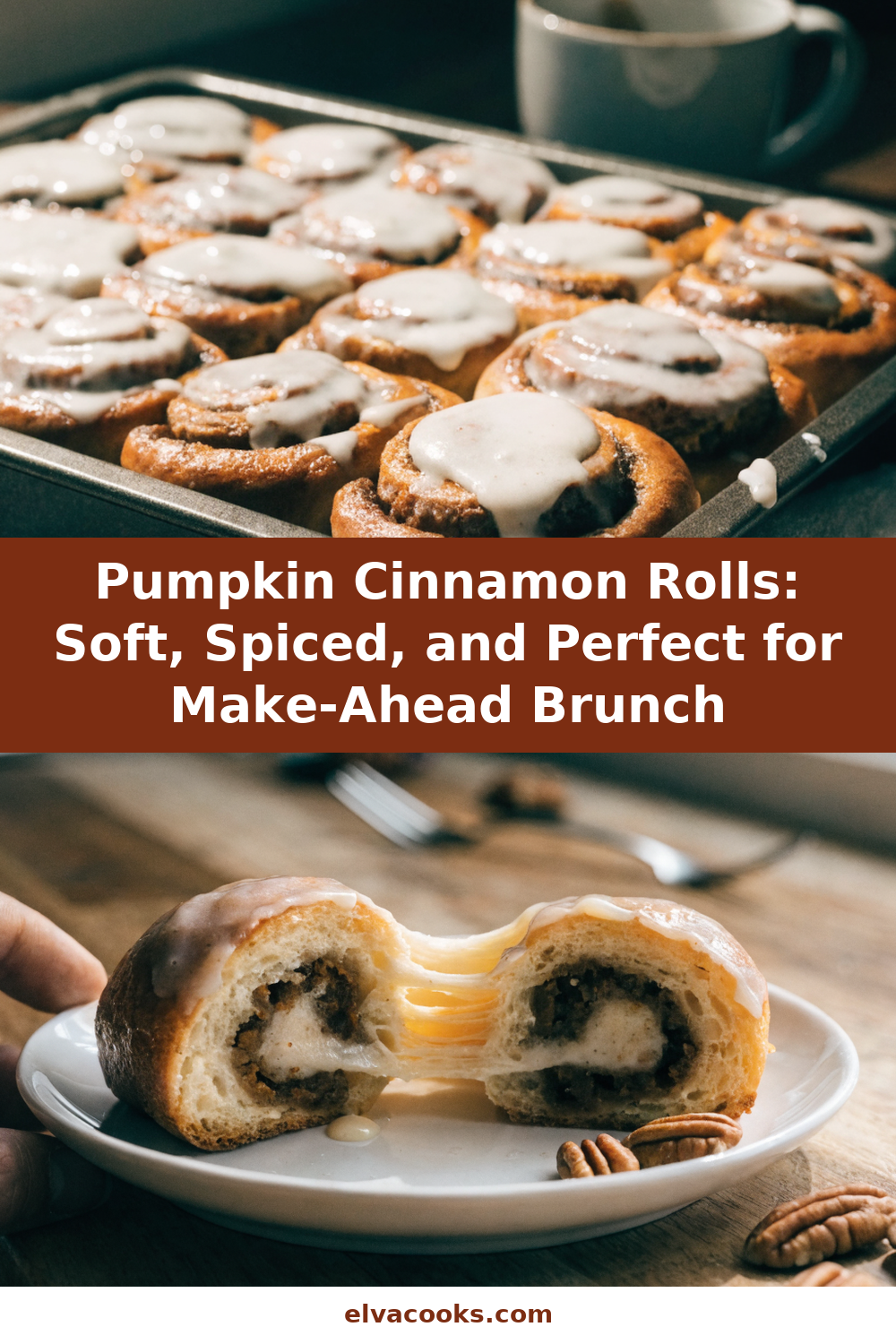
Pumpkin Cinnamon Rolls (Make Now or Make Ahead)
Ingredients
Equipment
Method
- Warm the milk to 100–110°F and pour into the mixer bowl; sprinkle the yeast over the milk and stir briefly.
- Add the pumpkin puree, granulated sugar, brown sugar, egg plus yolk, softened butter, and salt; mix to combine.
- With the mixer on low, add 3 cups of flour, then more as needed until a soft, slightly tacky dough forms that clears the bowl; knead 6–8 minutes until smooth and elastic.
- Lightly oil a bowl, place the dough inside, cover, and let rise 45–60 minutes at room temperature until nearly doubled.
- Combine softened filling butter with brown sugar, cinnamon, nutmeg, and a pinch of salt until smooth; reserve 2 tablespoons if adding a little pumpkin to the filling.
- Turn dough onto a lightly floured surface and roll to about a 16×12-inch rectangle 1/4-inch thick.
- Spread the filling evenly, leaving a 1/2-inch border; roll tightly from the long side into a log and cut into 12 equal rolls.
- Place rolls seam-side down in a buttered 9×13-inch pan, cover, and let rise 35–45 minutes until puffy (or tightly cover and refrigerate up to 24 hours).
- Preheat oven to 350°F and bake the risen rolls 18–22 minutes until tops are golden and the center reads 190–195°F.
- Cool 10 minutes, then whisk the cream cheese, powdered sugar, milk, and vanilla until smooth and drizzle over warm rolls.
Notes
Frequently asked questions
Can I make these the night before? Yes. After shaping, cover the pan tightly and refrigerate for up to 24 hours. Remove and let sit at room temperature 30–45 minutes before baking if still cold.
Why did my rolls have a gummy center? Most often the dough was too wet or the rolls were underbaked. Use the recommended flour range, watch dough consistency, and bake until the center reaches 190–195°F.
Can I use fresh roasted pumpkin? Yes, but measure by weight and drain any excess liquid; fresh pumpkin can be slightly more watery than canned, so reduce milk by a tablespoon or two if needed.
How do I reheat refrigerated rolls? Warm individual rolls in the microwave for 15–20 seconds or reheat a whole pan at 325°F for 10–12 minutes until warmed through.
Can I freeze unbaked rolls? Yes. After shaping, wrap the pan tightly in plastic and foil and freeze up to 3 months. Thaw overnight in the refrigerator, then let sit at room temperature 30–60 minutes before baking.
Closing
These pumpkin cinnamon rolls give you the cozy flavor of pumpkin without the structural headaches I first ran into, and the make-ahead option lets you serve warm rolls with minimal morning effort.

Leave a Reply